
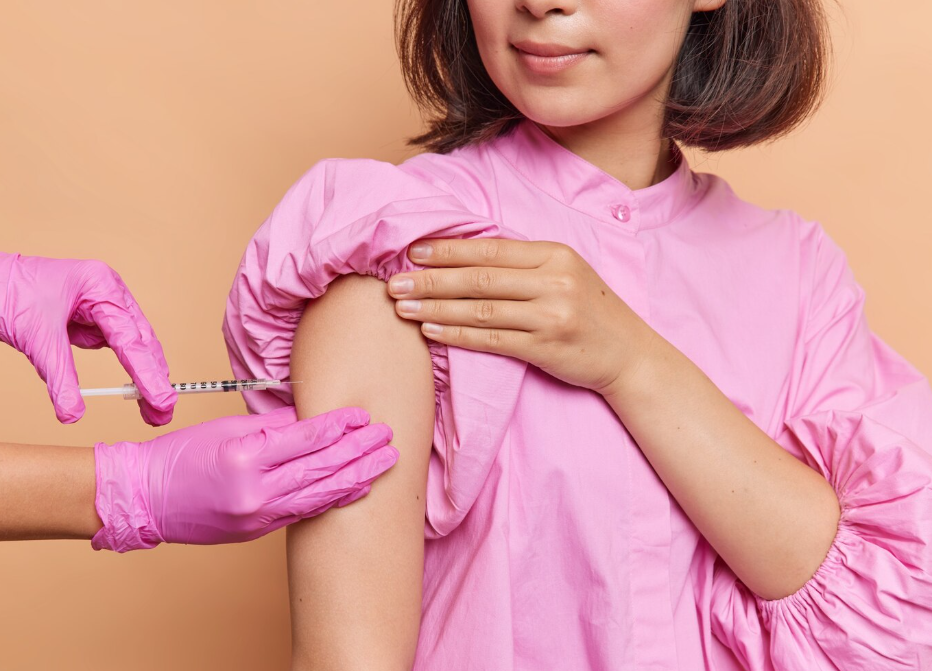
Vaccination is one of the most effective ways to prevent certain infections before they become a health problem. The HPV vaccine is particularly important because it protects against types of human papillomavirus that can contribute to several cancers, especially cervical cancer. HPV is very common, and most infections are cleared naturally by the body's immune system. However, persistent infection with certain high-risk HPV types can cause changes in cells that may eventually develop into cancer.
This makes HPV vaccination an important part of preventive women's healthcare. Rather than waiting for an HPV-related condition to develop, vaccination can provide protection against the virus types responsible for many HPV-related cancers. For parents, adolescents, and adult women considering vaccination, knowing what the vaccine does, who may benefit, and why timing matters can make the decision easier to understand.
Human papillomavirus refers to a large group of viruses that can affect the skin and genital areas. HPV is commonly transmitted through sexual contact, and infection often produces no symptoms. In many people, the immune system controls the infection without causing long-term problems. Certain high-risk HPV infections, however, can persist and contribute to abnormal cell changes.
Persistent infection with high-risk HPV is the main cause of cervical cancer. HPV is also associated with cancers involving the vulva, vagina, anus, penis, and certain areas of the mouth and throat. This is why HPV prevention is broader than simply protecting against one cervical condition. Vaccination can reduce the risk of cancers caused by the HPV types covered by the vaccine.
The HPV vaccine works best as a preventive measure before exposure to the virus. WHO identifies girls aged 9–14 years as the primary target group because vaccination at this stage can provide protection before sexual exposure occurs. Depending on age, health status, and the applicable vaccination guidance, different dosing schedules may be recommended.
This does not mean that vaccination is relevant only to young adolescents. Older adolescents and adults may also be candidates for vaccination depending on individual circumstances and applicable recommendations. The potential benefit can be different after previous exposure to HPV, so the appropriate decision should be discussed with a healthcare professional rather than assuming that vaccination has no value after adolescence.
HPV vaccines are designed to prevent infection with specific HPV types included in the vaccine. The available vaccines differ in the number of HPV types they cover, but protection against high-risk HPV types such as 16 and 18 is particularly important because these types account for a substantial proportion of cervical cancers. Some vaccines also protect against HPV types associated with genital warts and additional HPV-related cancers.
The vaccine does not contain live HPV and cannot cause HPV infection or cancer. It is intended to prevent future infection with the HPV types covered by the vaccine rather than eliminate an infection that already exists. This distinction is important when discussing vaccination with someone who has previously tested positive for HPV.
HPV vaccination is not limited to children, but the expected benefit can vary with age and previous exposure. The strongest preventive benefit is generally achieved when vaccination takes place before exposure to HPV. WHO recommends the routine priority group of girls aged 9–14 and allows for vaccination of older groups according to national programmes and individual circumstances.
For an adult considering vaccination, factors such as age, previous vaccination, sexual exposure, immune status, and personal health history may be relevant. Rather than following a schedule found online without considering these factors, it is better to have the vaccination plan reviewed by a qualified healthcare professional.
One of the most important points about HPV vaccination is that it does not remove the need for cervical cancer screening. Vaccines protect against specific HPV types, while screening helps identify cervical changes that may require further evaluation or treatment. WHO continues to recommend cervical screening as an essential part of cervical cancer prevention.
Women should therefore think of vaccination and screening as complementary forms of prevention. Even a vaccinated woman may need age-appropriate screening according to recommended guidelines. Regular preventive care can help identify cervical abnormalities before they progress into cancer.
Parents may have questions about the appropriate age, vaccine safety, number of doses, possible reactions, and whether their child really needs the vaccine when there are no symptoms. These are reasonable questions because vaccination is a preventive decision rather than treatment for an existing illness.
A consultation can help parents understand the vaccine being offered, the schedule appropriate for the child's age and health status, and any precautions that need to be considered. WHO reports that licensed HPV vaccines have strong safety profiles and are highly effective at preventing HPV infections that can lead to cervical precancer and cancer.
Like other vaccines, HPV vaccination may cause temporary reactions such as soreness or discomfort at the injection site. Some people may experience mild short-term symptoms, while others have little noticeable reaction. The vaccination team can explain what to expect and what symptoms would warrant medical attention.
Keeping a record of the vaccine and any subsequent doses is also useful, particularly when the vaccination series involves more than one dose. The exact schedule should be determined according to the recipient's age, immune status, previous vaccination history, and applicable medical recommendations.
HPV-related cancers can take years to develop, which means prevention before persistent infection occurs can have an important long-term role. Vaccination, appropriate screening, and awareness of risk factors work together rather than functioning as separate measures. WHO's cervical cancer elimination strategy places HPV vaccination and screening among the key prevention measures.
For families and women considering vaccination, the goal is not to wait for a health problem before taking action. A timely discussion with a healthcare professional can clarify whether vaccination is appropriate, which schedule applies, and what additional preventive care may be required.
1. Can the HPV vaccine treat an existing HPV infection?
No. The vaccine is preventive and does not treat an existing HPV infection or HPV-related disease. Its purpose is to protect against future infection with the HPV types covered by the vaccine.
2. Is HPV vaccination only for girls?
Girls are the primary target group in WHO's routine HPV vaccination strategy, particularly those aged 9–14 years. Vaccination of boys and older age groups may also be recommended in some settings depending on national policies, feasibility, and individual circumstances.
3. Do vaccinated women still need cervical cancer screening?
Yes. HPV vaccination does not protect against every cancer-causing HPV type, so appropriate cervical screening remains important even after vaccination.
HPV vaccination is an opportunity to reduce the future risk of HPV-related cancers rather than waiting for an infection or abnormality to appear. Dr. Geeta Agrawal at Prime Care Clinic can guide patients considering HPV Cancer Vaccine in Gurugram Sector 83 based on age, vaccination history, health status, and individual preventive-care needs. Schedule a consultation to understand whether HPV vaccination is appropriate and what vaccination plan may be recommended.
Dr. Geeta Agrawal Gynaecologist.All Rights Reserved © 2026


