
When pregnancy does not occur despite regular attempts, couples may begin exploring fertility treatments. The number of options available can feel confusing, particularly when terms such as ovulation induction, IUI, IVF, and assisted reproduction are often discussed together.
Intrauterine insemination, commonly called IUI, is one of the fertility treatments that may be considered in selected situations. It is less complex than IVF and follows a different process, making it suitable for some couples depending on their fertility assessment.
Understanding how IUI works, when it may be recommended, and what happens during an IUI cycle can help couples approach the treatment with realistic expectations.
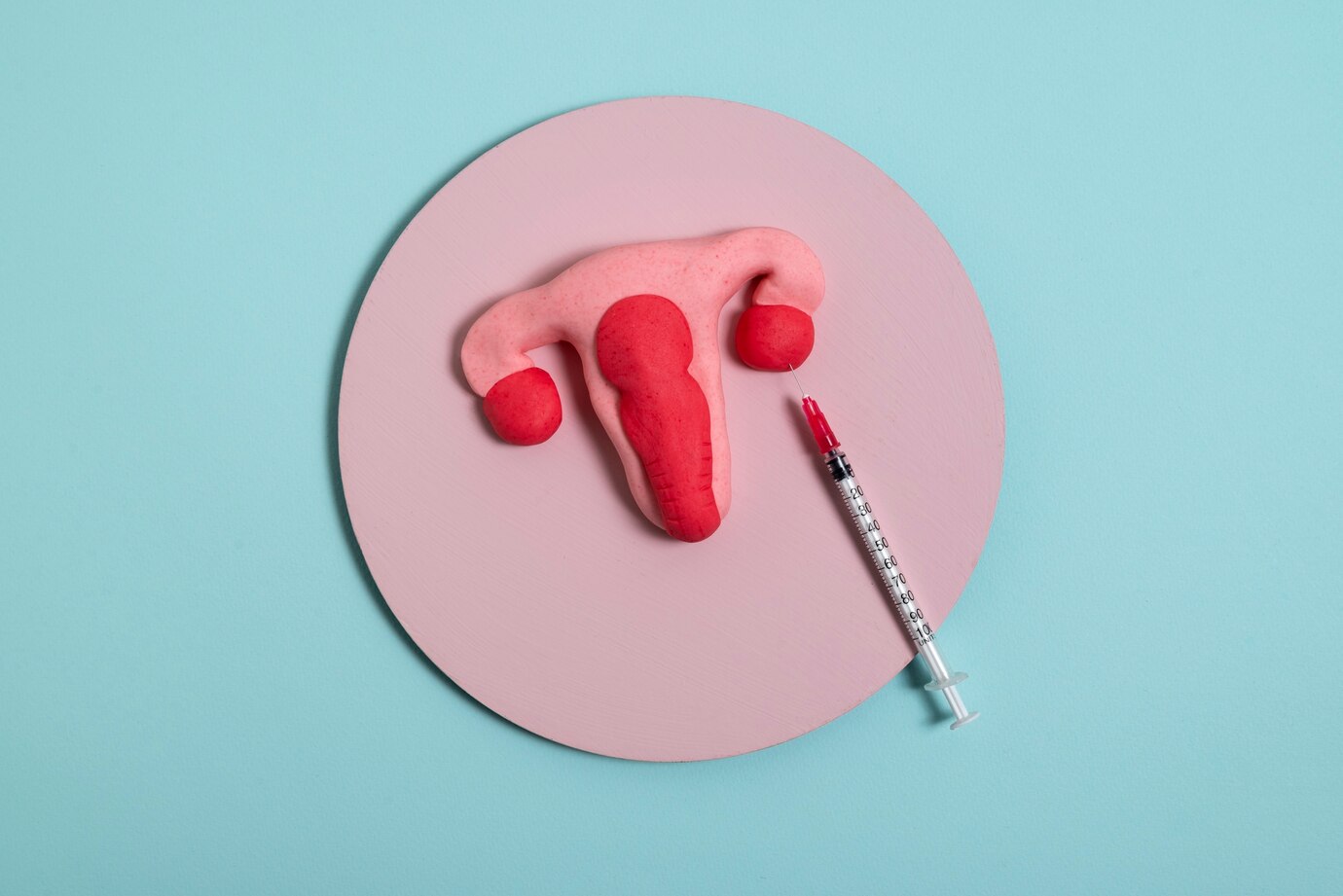
IUI is a fertility procedure in which prepared sperm is placed directly inside the uterus around the time of ovulation. The purpose is to bring a concentrated number of healthy sperm closer to the fallopian tubes, where fertilisation may occur naturally.
Unlike IVF, fertilisation does not take place in a laboratory during IUI. The sperm and egg are expected to meet inside the reproductive tract. Because the treatment relies on ovulation and at least one functioning fallopian tube, not every fertility concern can be addressed with IUI.
There can be several reasons why a fertility specialist may consider IUI. It may be an option for some couples with unexplained infertility, certain ovulation-related difficulties, mild male-factor fertility concerns, or situations where donor sperm is being used. The exact recommendation depends on the couple's evaluation.
IUI is not automatically the first treatment for everyone. Age, ovarian reserve, sperm parameters, fallopian tube health, previous fertility treatment, and the duration of infertility can all influence whether it is worth considering.
An IUI cycle generally begins with understanding when ovulation is expected to occur.
Some women may undergo a natural-cycle IUI, while others may receive medication to encourage or regulate ovulation. Ultrasound monitoring and, when appropriate, blood tests can help the fertility team assess follicular development and determine the timing of treatment.
This monitoring is important because the procedure needs to be coordinated closely with ovulation.
On the day of insemination, a semen sample is collected and processed in the laboratory. The preparation is intended to separate and concentrate suitable sperm for use during the procedure.
The prepared sample is then introduced into the uterus using a thin catheter. The procedure itself is generally brief and does not require an operation or surgical incision. Patients may experience mild cramping or temporary discomfort, although experiences vary.
IUI is closely linked to ovulation. The egg remains available for fertilisation for a relatively short period, while sperm can survive for longer under suitable conditions.
For this reason, identifying the appropriate time for insemination is an important part of the treatment plan. Ovulation prediction, ultrasound monitoring, and medication timing may all be used depending on the individual cycle.
The objective is to place prepared sperm in the uterus when the chances of encountering an available egg are favourable.
Following insemination, couples generally continue their normal routine unless their healthcare provider recommends specific precautions.
Pregnancy does not occur immediately after the procedure. If fertilisation and implantation take place, pregnancy can subsequently be confirmed through an appropriate test at the recommended time.
Waiting for the result can be emotionally challenging. It is important not to interpret every physical sensation during this period as a sign that the treatment has or has not worked.
No fertility treatment can guarantee pregnancy. The likelihood of success with IUI depends on several variables, including the woman's age, ovarian function, cause of infertility, sperm quality, ovulation, and the condition of the fallopian tubes.
The number of treatment attempts may also depend on how the couple responds to earlier cycles and whether the circumstances suggest that continuing with IUI is worthwhile. A fertility specialist can explain the expected benefits and limitations based on the individual's clinical information rather than relying on general success rates.
IUI and IVF are not interchangeable treatments.
IVF involves retrieving eggs, fertilising them outside the body, and transferring an embryo into the uterus. It may be considered when IUI is unlikely to be effective, when certain fertility factors are present, or when previous IUI cycles have not resulted in pregnancy. The choice between treatments should therefore be based on the cause of infertility, age, previous treatment history, investigations, and the couple's reproductive goals.
Fertility treatment can involve repeated appointments, monitoring, medication, waiting, and uncertainty. Couples may experience excitement before treatment and disappointment if a cycle is unsuccessful.
It can help to discuss expectations beforehand and understand that one unsuccessful cycle does not necessarily provide a complete picture of future fertility. At the same time, couples should have an honest discussion with their specialist about whether another attempt or a different treatment would make sense.
Maintaining communication between partners can also make the process easier to navigate.
Before beginning treatment, couples can ask why IUI has been recommended, whether natural or medicated ovulation is more appropriate, how the cycle will be monitored, and what factors may affect the chances of success.
It is also useful to ask how many cycles may reasonably be considered and under what circumstances another fertility treatment might be recommended.
Clear information allows couples to understand the purpose of each stage rather than approaching IUI as an unfamiliar procedure.
1. Is IUI painful?
Most IUI procedures are relatively brief and do not require surgery. Some women may experience mild cramping or temporary discomfort during or after the procedure.
2. Is IVF better than IUI?
Neither treatment is universally better. The appropriate option depends on the cause of infertility, age, reproductive health, previous treatment, and other individual factors.
3. How soon can pregnancy be confirmed after IUI?
Pregnancy testing is generally performed after an appropriate waiting period recommended by the fertility specialist. Testing too early may not provide an accurate result.
Choosing a fertility treatment is easier when you understand why it has been recommended and what the process involves. Dr. Geeta Agrawal at Prime Care Clinic is an IUI Treatment in Gurugram Sector 85, offering fertility consultation and treatment planning based on individual reproductive needs. Book an appointment to discuss your fertility concerns and find out whether IUI may be an appropriate option for you.
Dr. Geeta Agrawal Gynaecologist.All Rights Reserved © 2026


