
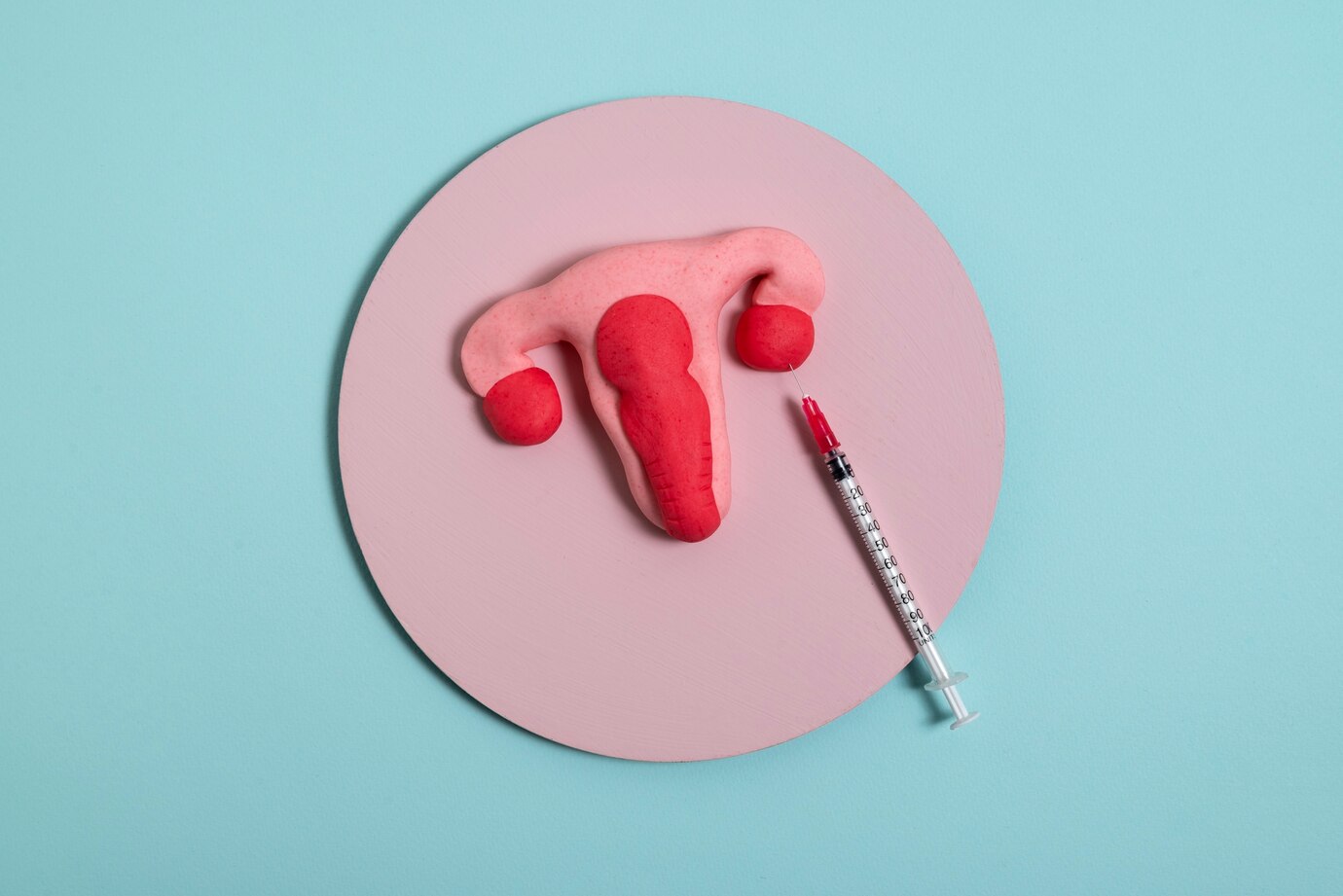
Many women are understandably concerned when they hear the words uterus removal surgery. It is natural to have questions about why the surgery is being recommended, whether there are alternatives, and how life may change afterwards. In reality, hysterectomy is not advised for every gynaecological condition. It is usually considered only after careful evaluation and when other treatment options are unlikely to provide lasting relief.
The decision depends on several factors, including the woman's symptoms, age, medical history, future reproductive plans, and the underlying condition. A detailed consultation helps patients understand why surgery may be appropriate and what outcomes they can expect.
A hysterectomy may be advised for different medical reasons rather than a single diagnosis. The goal is always to improve health, relieve troublesome symptoms, and enhance quality of life when conservative treatment is no longer effective.
Some conditions where surgery may be considered include:
Large or symptomatic uterine fibroids
Heavy or prolonged menstrual bleeding
Adenomyosis
Severe endometriosis
Uterine prolapse
Certain precancerous or cancerous conditions
Chronic pelvic pain caused by specific uterine disorders
Every case is assessed individually before recommending surgery.
Before suggesting uterus removal surgery, the gynaecologist evaluates whether medication, hormonal therapy, minimally invasive procedures, or other treatments may be suitable.
During consultation, the discussion generally includes:
The exact diagnosis
Severity of symptoms
Previous treatments and their results
Available alternatives
Benefits and possible risks of surgery
Expected recovery
Long-term health considerations
Having complete information allows women to make confident and informed decisions about their treatment.
Proper preparation contributes to a smoother surgical experience and recovery. Before the procedure, patients usually undergo a detailed medical evaluation to assess overall health and determine the safest surgical approach.
The doctor may advise blood investigations, imaging studies, medication review, and pre-operative counselling. Patients are encouraged to discuss any concerns regarding hospital stay, recovery period, physical activity, and returning to work so they know what to expect after surgery.
Healing after uterus removal surgery varies from one woman to another. The recovery period depends on the type of procedure performed, overall health, and individual healing.
Following surgery, women are generally advised to:
Attend scheduled follow-up appointments
Avoid strenuous physical activity for the recommended period
Follow prescribed medications
Maintain a balanced diet and adequate hydration
Resume activities gradually based on medical advice
Regular follow-up helps ensure that recovery progresses safely while allowing any concerns to be addressed promptly.
Undergoing a gynaecological procedure requires proper understanding, confidence, and guidance from an experienced specialist. A detailed evaluation helps patients understand the reason behind the surgery, available options, and the expected recovery process before making an informed decision.
Dr. Geeta Agrawal provides consultation for women considering Uterus Removal Surgery in Gurugram Sector 82 at Prime Care Clinic. Her approach focuses on accurate diagnosis, personalised treatment planning, and helping patients choose the most suitable care option according to their health condition and medical requirements.
No. Many fibroids can be managed with medication or other procedures. Surgery is recommended only when clinically appropriate based on symptoms, size, and overall health.
The duration of hospital stay depends on the type of hysterectomy performed and your recovery progress. Your doctor will explain what to expect before the procedure.
Recovery varies according to the surgical approach and individual health. Your gynaecologist will provide personalised guidance regarding activity restrictions and follow-up care.
Uterus removal surgery is a carefully considered treatment option aimed at improving a woman's health and quality of life when other treatments are no longer effective. Understanding the diagnosis, available options, and recovery process helps patients approach treatment with greater confidence.
If you have been advised to consider Uterus Removal Surgery in Gurugram Sector 82 or would like a second opinion, schedule a consultation with Dr. Geeta Agrawal at Prime Care Clinic. Receive a detailed evaluation, discuss all available treatment options, and make an informed decision with expert gynaecological guidance.
Dr. Geeta Agrawal Gynaecologist.All Rights Reserved © 2026


